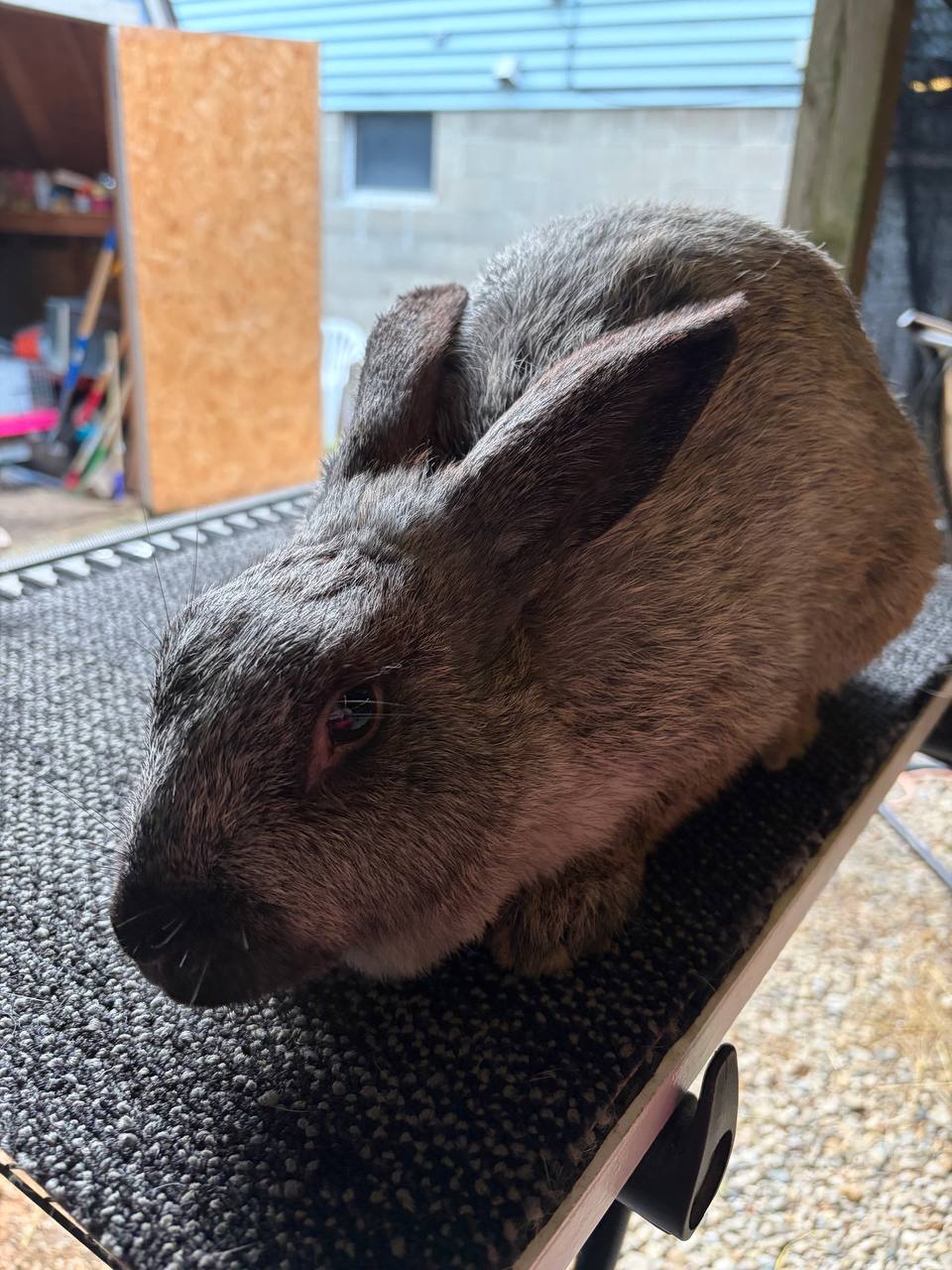
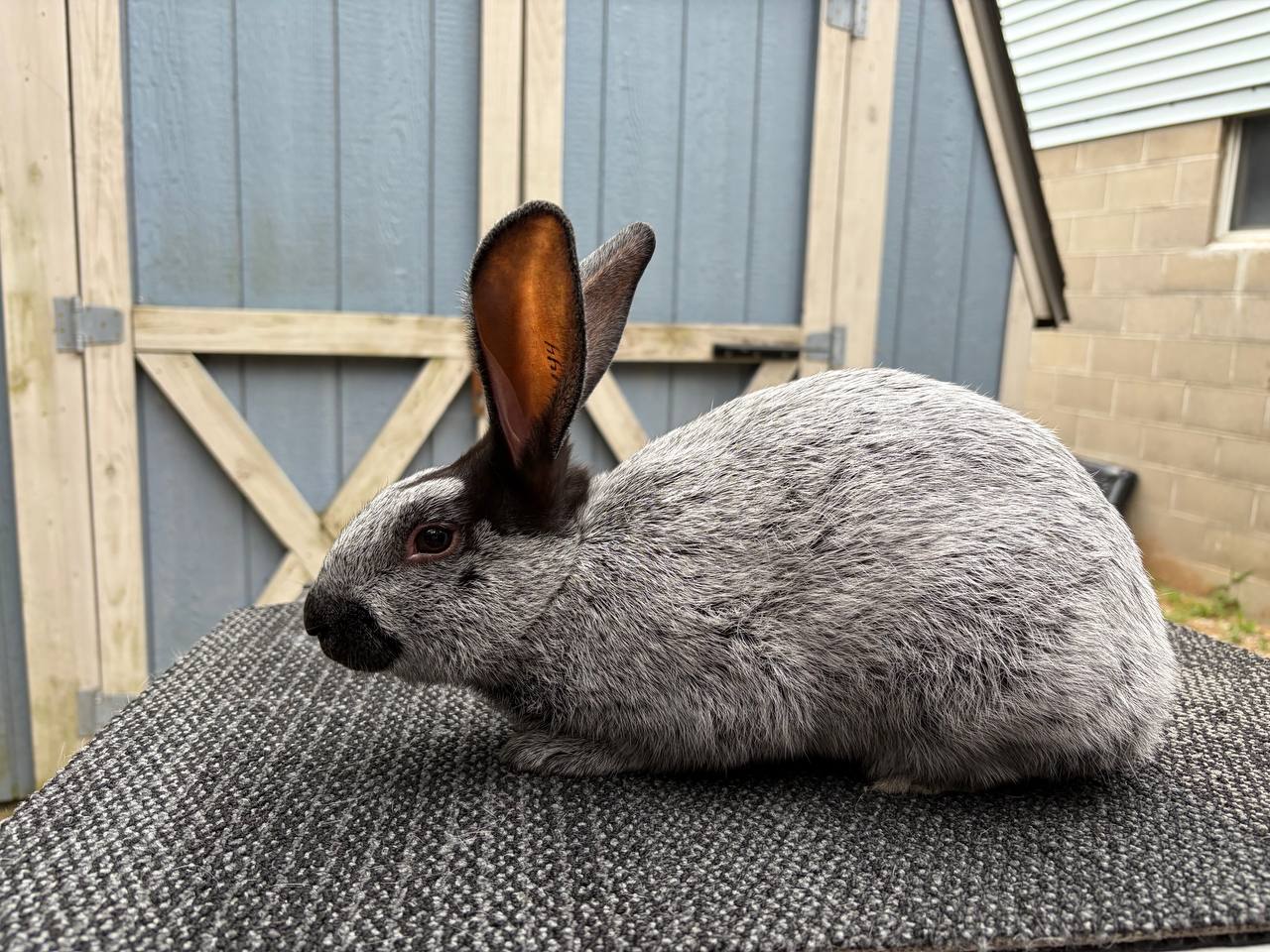
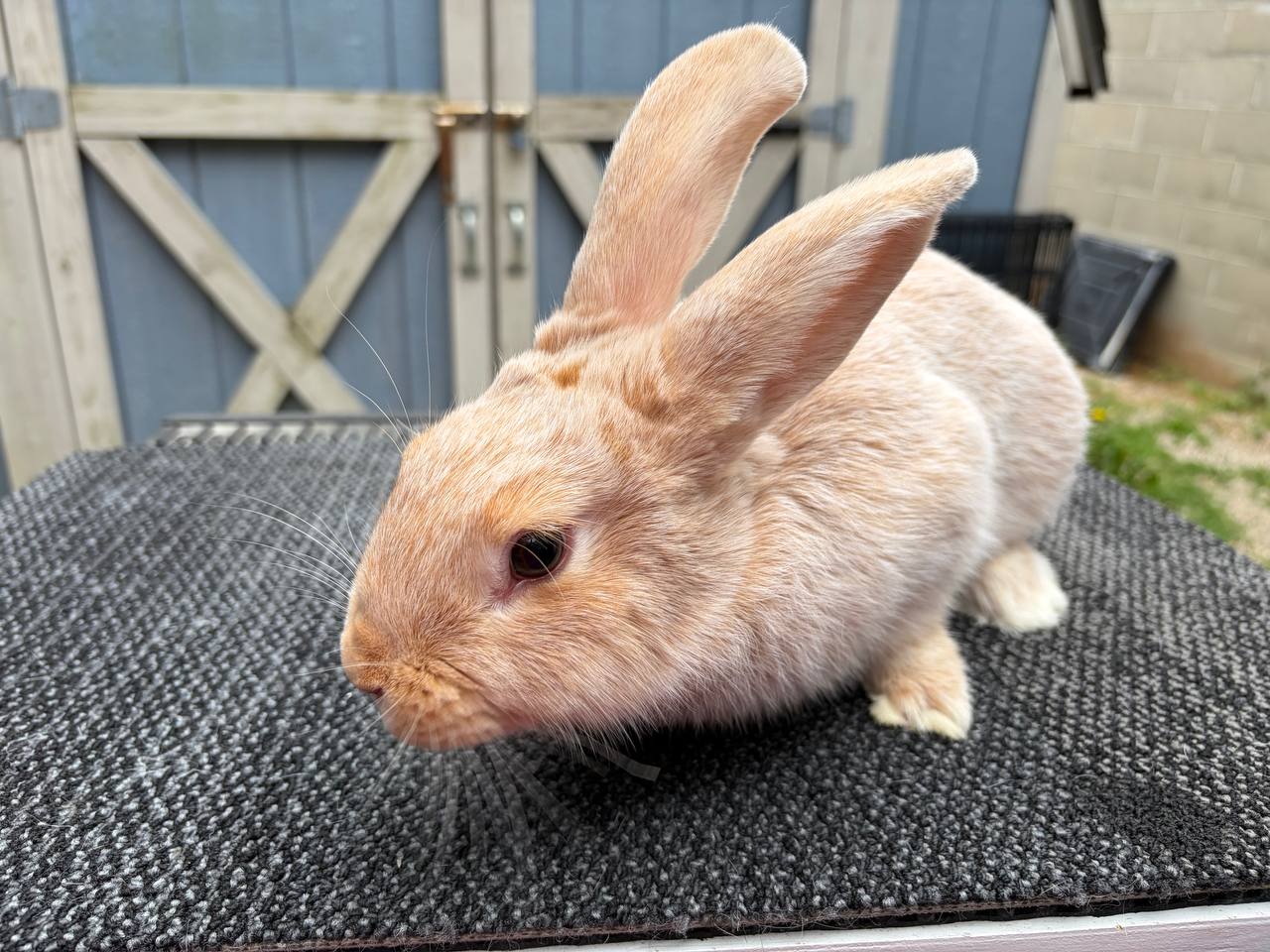
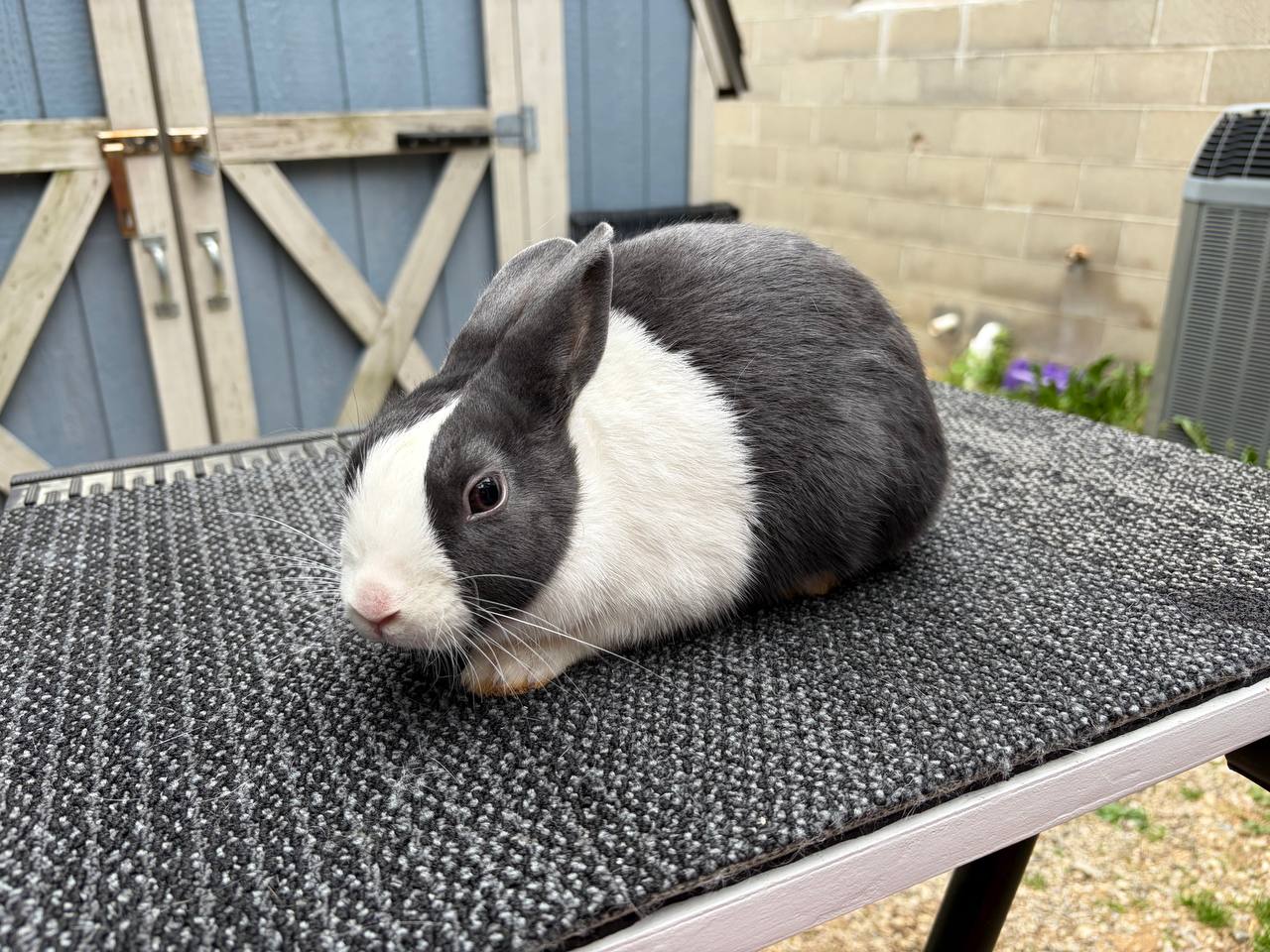
Rabbits replace their coats twice a year, on average. Understanding why rabbits molt and how to groom them during this period is essential for maintaining their health and comfort.
Why Do Rabbits Molt?
Molting, or shedding, is a natural part of a rabbit’s life cycle. It involves the loss of old fur as new fur grows in. This process is influenced by several factors:
- Seasonal Changes: Most rabbits molt in response to changes in daylight and temperature, typically during spring and fall. These seasonal molts help rabbits adapt their coats to the changing climate—developing a thicker coat for winter and a lighter one for summer.
- Age and Development: Young rabbits may experience their first molt as they transition from a baby coat to an adult coat. Subsequent molts occur periodically throughout their lives.
- Hormonal Changes: Hormonal fluctuations, such as those related to maturity or stress, can also trigger molting outside of the regular seasonal cycles.
Molting patterns vary by breed and individual rabbit. Some may have a gradual, even molt, while others experience a dramatic, patchy shed.
If you keep your rabbit outdoors, you will likely see the molt brought on with the seasons for nearly all rabbits in your herd. If you keep your rabbits indoors, however, as I do, you may experience more random molts. Sometimes my rabbits don’t even full molt twice in a year because of how stable their indoor environment and lighting is. I’m not sure my rabbits are very aware of what time of year it is because of these factors.
Risks Associated with Molting
During molting, rabbits are at risk of ingesting large amounts of fur while grooming themselves. Unlike cats, rabbits cannot vomit, so ingested hair can lead to dangerous digestive blockages known as gastrointestinal (GI) stasis. This makes it crucial for owners to assist with grooming during heavy sheds.

How to Groom Rabbits During the Molt
Proper grooming during a molt not only keeps your rabbit comfortable but also helps prevent health issues. Here are some key steps for effective grooming:
Regular Brushing:
- Brush your rabbit daily during heavy molts, and at least weekly during light shedding. Use a gentle slicker brush or a grooming comb designed for small animals.
- Be gentle to avoid damaging their sensitive skin, especially around delicate areas such as the belly and legs.
Manual Fur Removal:
- For stubborn tufts, you can carefully pluck loose fur with your fingers. Only remove fur that comes away easily—never pull or tug at the coat.
Monitor for Matting:
- Check for tangled or matted sections, particularly in long-haired breeds. Gently tease apart mats with your fingers or a mat splitter. Severe matting may require professional grooming.
Maintain a Clean Environment:
- Keep your rabbit’s living area clean and free from excess fur to reduce the amount they ingest during self-grooming.
Encourage Hydration & Healthy Diet
- Ensure your rabbit has access to fresh water.
- Offer hay to the rabbit as it helps move ingested fur through the digestive tract.
- Offering Black Oil Sunflower Seeds as a small treat/supplement can assist your rabbit’s body with growing their new coat.
How Long Will It Last?
Usually a rabbit will be able to finish their molt within a couple of weeks or so. The more that you’re able to groom them, the quicker you can help it go. If the rabbit takes a lot longer than that to finish their molt, it would be a good time to do a general health check on your rabbit to ensure that they aren’t struggling with an injury or sickness. The molt can be a great window into your rabbit’s condition and health.
Overall, just try to help your rabbit through their molt the best you can. It’s a touch time for them, so be forgiving if any of them are more grouchy than they typically are! They will go back to normal, in both their attitude and their coat.