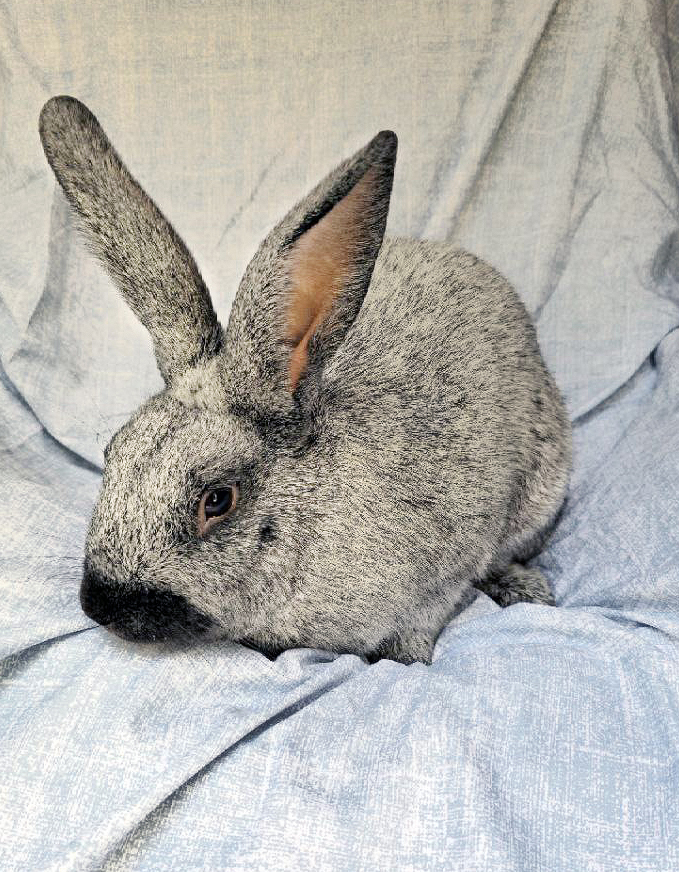
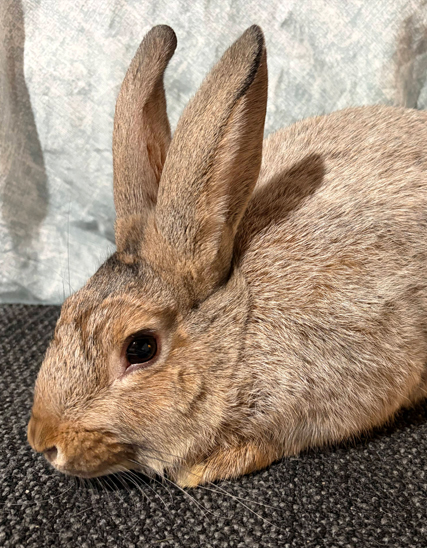
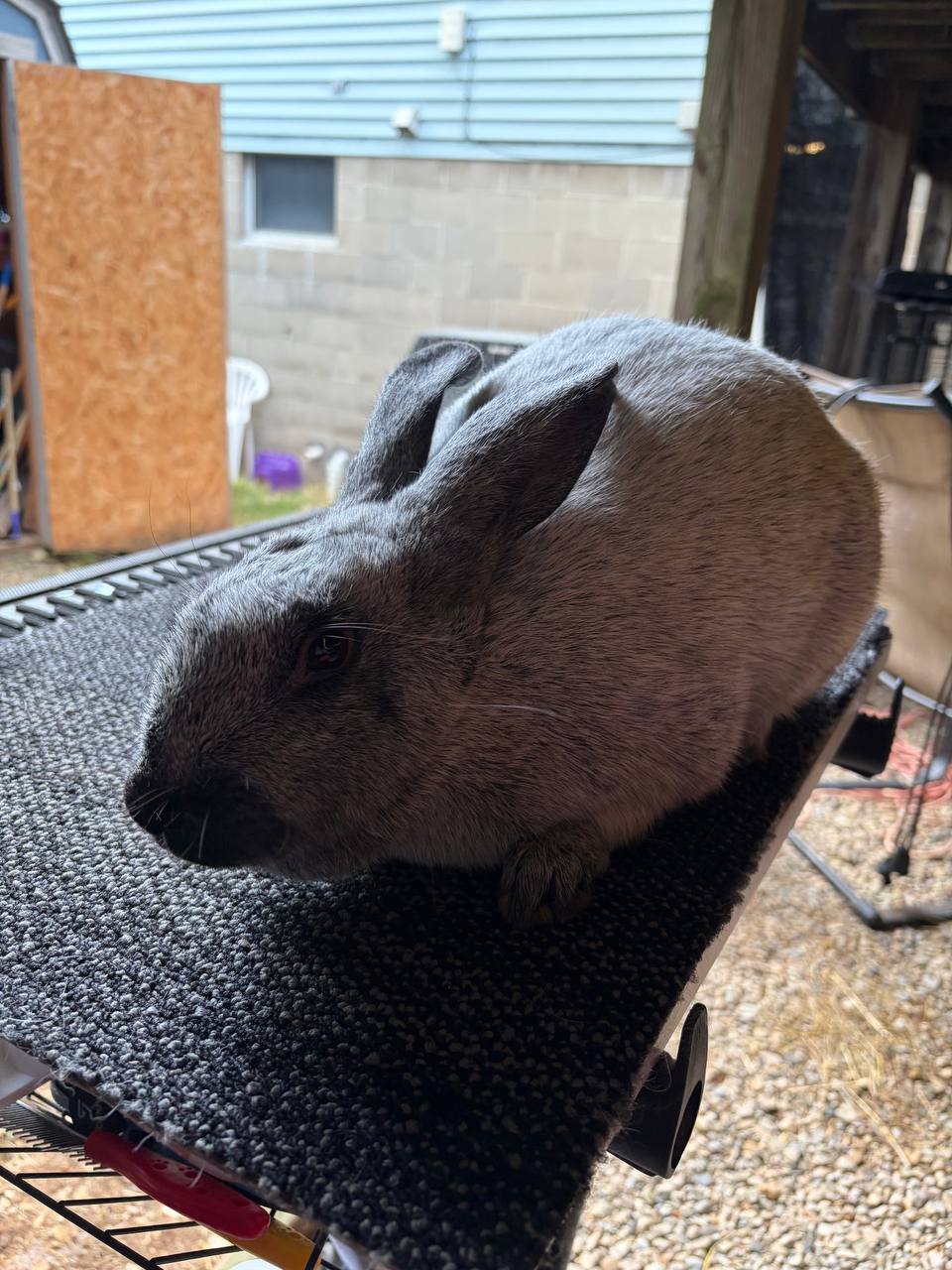
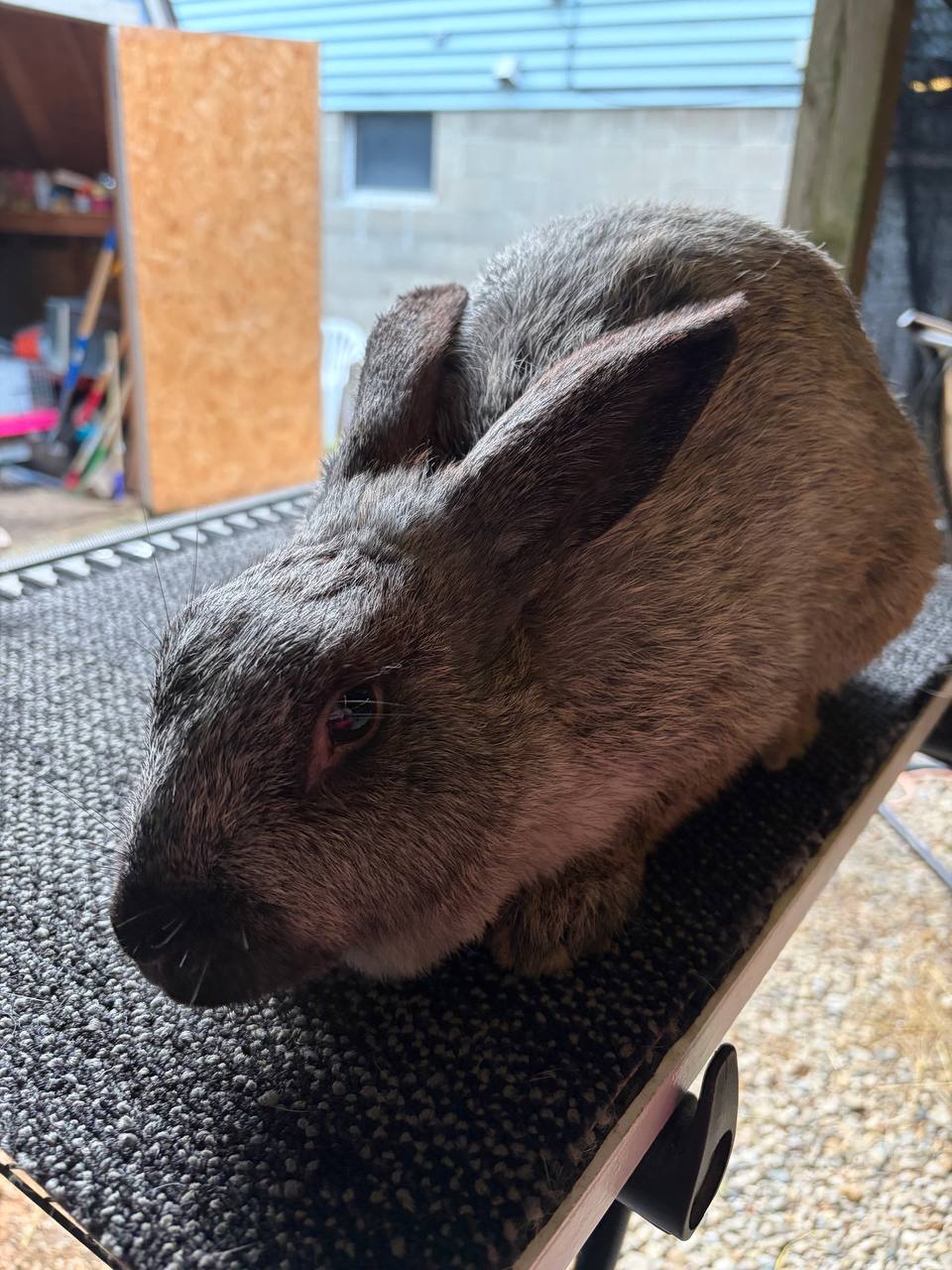
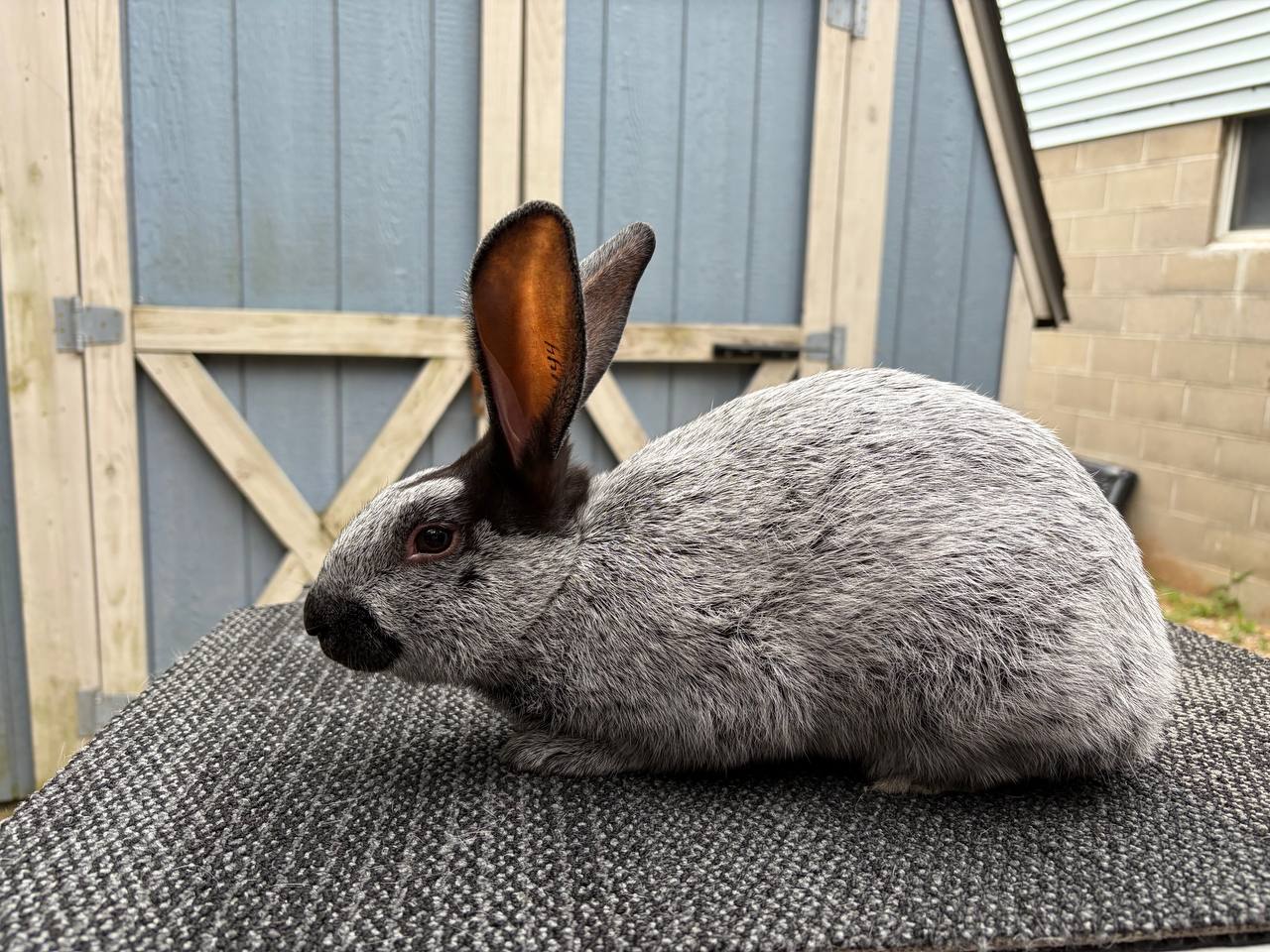
One of the oldest breeds of rabbits, they originate from France and are named after the region they’re from. Their name means “Silver of Champagne.” I always recommend them for both meat production and show due to their great growth rates, heartiness, and friendliness.
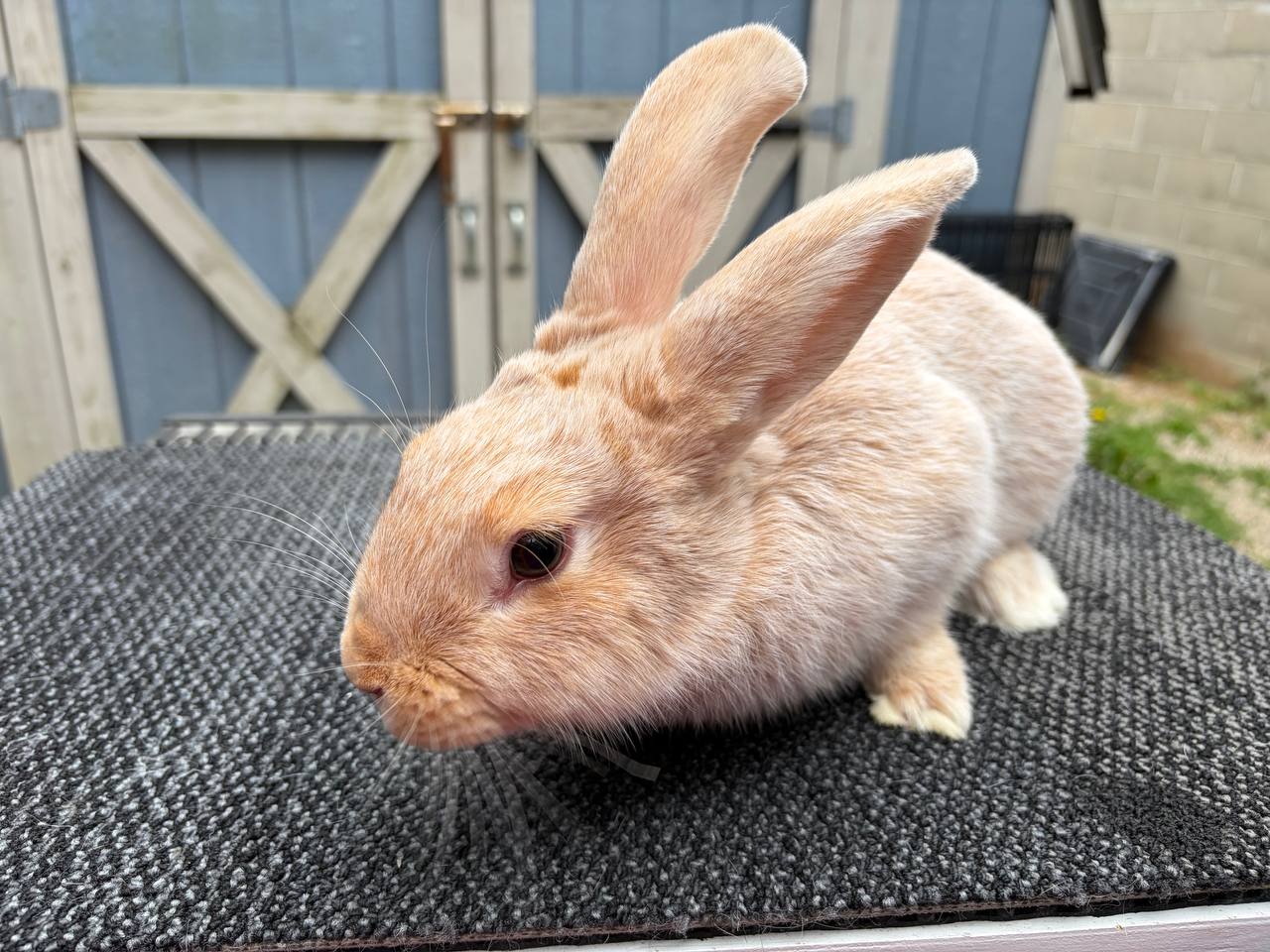
Despite being recognized in Europe, the Saint Hubert is still in development in the United States. The ARBA currently has a Certificate of Development (COD) for the breed. There are 4 varieties of Huberts in development, but I am focusing on the Chestnut Agouti variety in my rabbitry. You can learn more in my blog post dedicated to the breed here.
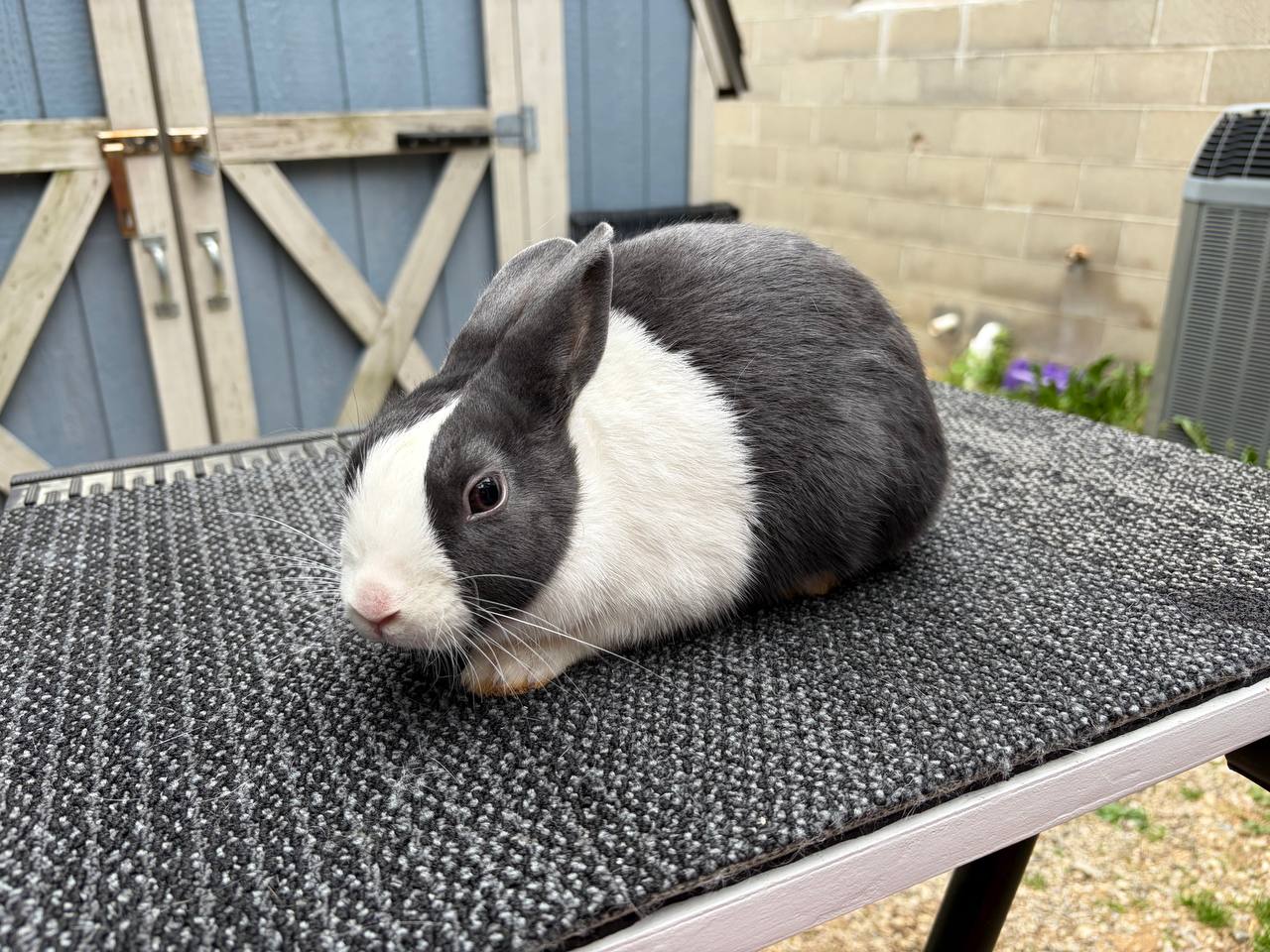
The Dutch is one of the oldest breeds of rabbit, prized for their compact size and unique markings. They make great pets, as they are known for being extremely friendly. They’re also a uniquely challenging breed to show as their markings need to be precise.
The original breed of Cremes was from France, but when it was brought to America in the 1920s it was crossed with other breeds to get the commercial body type that it has today. This “Americanized” Creme d’Argent is the breed recognized in the ARBA standard today. They are born orange and their pelts silver out as they age. The maximum weight is about 11 lbs when fully grown. They are a more nervous and curious breed overall, but still friendly once they are used to you.
Currently, Cremes are on the Watch list per the Livestock Conservancy’s Conservation Priority List. You can find more information on that here.
I breed my rabbits for body type, growth rates, color/coat, and friendliness.
I usually wean young rabbits around 5-8 weeks old. Most often, right at the 6 week mark. I will not sell a rabbit younger than 8 weeks old.
Rabbits can be kept in a variety of ways, depending on their purpose. When breeding and raising rabbits we recommend using wire bottom cages to maintain sanitation. It is important, however, to make sure the flooring is 14 (preferably) or 16 gauge wire to ensure it’s thick enough for the comfort of the rabbit. Pet rabbits can be kept similarly, or even litter box trained to live in the house (similar to a cat).
I recommend feeding a diet of primarily pellets and hay. For the pellets I would recommend using something of 16-18% protein for breeding and growing rabbits. In our rabbitry I give loose timothy hay, as needed, but always have compressed cubes of a mix of timothy and alfalfa hay available. The bag of your pellets will give you a chart of the serving size for different ages and sizes of rabbits, so follow that.
I recommend making sure each rabbit has the following, at minimum:
1) A cage, or other enclosure to keep them contained and safe. This includes having a plan for waste management (e.g., wire bottom cage with a tray, solid bottom cage with bedding, or enclosure with a litter box).
2) Water. Either a bowl, bottle, or watering system. We will note how any rabbit from our rabbitry was drinking before for you, so if you’re changing how be sure the rabbit is able to figure it out and is able to drink.
3) Hay. It’s a good idea to offer hay to rabbits new to you to help ensure they eat and keep their digestion moving.
4) Pellets at least once a day. If you’re feeding a different brand than the Kent/Blue Seal Home Fresh Show Hutch Deluxe 17 pellets, be sure to slowly transition the rabbit’s feed by mixing the two brands of pellets for a time.
Most rabbits do not need much grooming, but what they do need is important. They need their nails trimmed regularly to ensure they do not overgrow. Nails that are too long can even cause rabbits to lose their whole nail, or even a toe! They will also occasionally need brushed when shedding, or molting, to ensure that they do not ingest too much hair. Petting and gently brushing them with a comb or brush will also help with the rabbit’s socialization.
This rabbitry is my personal hobby, but I do sometimes have rabbits available for sale. I do not offer sales for pets, but I enjoy helping fellow hobbyists get breeding stock of their own. You can see if I have any available rabbits here.
Before purchasing a rabbit from any source, I recommend checking the following to ensure you’re receiving a healthy rabbit:
1) ears – signs of mites (crust, scratches);
2) teeth – check they are properly aligned;
3) double-check the gender of the rabbit;
4) check the body type of the rabbit to ensure it’s close to the breed’s standard of perfection (located within the American Rabbit Breeders Association (“ARBA”) Standard of Perfection book);
5) feet – check for sore hocks and that their hip alignment is straight;
6) eyes – ensure that the eyes are clear and alert with no discharge;
7) nose – check for any discharge from the nose (a healthy rabbit will have a clear, dry nose); and
8) fur – make sure the rabbit has no bald patches, they should be completely covered except for the insides of their ears.
Yes! I recommended separating new rabbits from the rest of your herd for at least 2 weeks. This will help you to make sure they’re adjusting to their new home and the stress of the transition doesn’t cause them to be afflicted by an illness they normally wouldn’t have.
It’s definitely recommended to keep records for your rabbits, even if you aren’t interested in having pedigrees for all of your rabbits. You will want to know, especially as your herd develops, who is related, who has the best growth rates, who’s the most skilled mother, and more.
We have several different record keeping spreadsheets you can use available on our blog to download HERE. These will help in keeping track of grow-outs, does and their litters, and making a plan for your breeding schedule.
If you are looking for a program to help create pedigrees and more, there are a few that I’ve used or that I would recommend:
– Evans Rabbit Register for Windows (this is what I previously used)
– PedigreeHQ (what I currently use)
– Who’s Due for iOS & Android (have used this previously)
– Everbreed (very popular but wasn’t for me)
Most commercial-type rabbits are ready to breed at 6-8 months old. This is true for Creme d’Argents as well. I usually make sure a doe is at least 8 lbs, regardless of age, before considering breeding her for the first time.
For smaller breeds of rabbits, they are ready slightly earlier at 5-6 months of age. Again, you want to make sure that your doe is of a senior weight before trying to breed her.
Line breeding refers to carefully breeding 2 related animals to bring out favored traits. This is not a harmful practice in rabbits and is responsible for creating the differing breeds of domestic rabbits.
You can find an excellent beginners guide at HomesteadRabbits.com
If you need any further assistance, please feel free to contact me!