Do you see an amazing rabbit you’d like to add to your herd, but it doesn’t come with a pedigree? Are you getting ready to raise meat rabbits, but you’re not sure if you need one at all? Regardless of your situation, this article will let you know everything that pedigrees can tell you about a rabbit, as well as everything they can’t.

What is a pedigree?
A rabbit pedigree is simply a record a breeder keeps of the lineage of a certain rabbit. Ideally, it will show you the name, ear number, weight, and variety of each rabbit. It can also include additional information such as dates of birth, number of show legs, registration numbers, and grand champion numbers.
A standard pedigree usually includes the rabbit it’s for as well as the rabbit’s parents, grandparents, and great-grandparents. Essentially, the last 3 generations of the rabbit’s lineage.
Unlike some other animals, such as dogs, there’s no governing body over the pedigrees of rabbits. It is solely up to the breeders themselves. The ARBA will record a pedigree presented at the time of registration (if the rabbit is registered at all) but there’s no system that double checks it against any other information.

Complete vs. Incomplete Pedigree
To be able to register a rabbit with the ARBA, a 3 generation pedigree must include the name, ear number, weight, and variety of each rabbit on the pedigree. A pedigree is NOT considered a full pedigree if it’s missing this information for any rabbit on it.
When purchasing a rabbit with a pedigree, most reputable breeders will be happy to let you view the pedigree before making your purchase of the rabbit. If it’s important to you that the rabbit has a complete pedigree (see the next section as to why you’d want to register a rabbit), a breeder shouldn’t have any issues with letting you see their pedigree.
When do you actually NEED a pedigree?
There are two main reasons that you’d really want a pedigree when you purchase a rabbit: to be able to see the varieties a particular rabbit carries genetically, and to be able to register a show rabbit as a grand champion.
When dealing with breeds that come in many colors, knowing the varieties of the rabbit’s ancestors is crucial. A pedigree will let you know that a rabbit that appears black carries the dilute gene needed to produce blue offspring if you see blue rabbits in their lineage. If you’re looking to breed for a certain color, a pedigree can be invaluable.
When showing rabbits, if a rabbit meets the requirements they can be registered with the ARBA as a grand champion. This can impact the value of any rabbit as it shows that the rabbit in question has won enough shows to be an asset to any show herd of that breed. To be a grand champion, a rabbit must meet all registration requirements (complete pedigree, no disqualifications) and then have at least 3 show “legs” or wins. At least one of the three legs needs to be in either the intermediate or senior class.
When should you not sweat it over a pedigree?
First, I’d like to point you to an article about the importance of record keeping in a rabbitry. When it comes to the rabbits you produce, I think it’s prudent to keep ancestral information to ensure that you’re breeding your rabbits without running into inbreeding issues. We have an article about record keeping here if you’d like further information.
When it comes to adding rabbits to your herd from another rabbitry, however, you may not need a pedigree.
If you’re raising rabbits for meat for your own use, it may not be that useful to you to know your starting stock’s ancestry. If you are eating most of the rabbits you make, making pedigrees can take up time that would be more valuable used elsewhere.
If you’re showing and you find a rabbit that would fit into your herd, sometimes it can still be worth it to pickup a rabbit without a pedigree. As long as the rabbit meets the breed standard in that breed’s ARBA Standard of Perfection, it could be worth picking up regardless of the paperwork with it because of the quality offspring you’ll make. A pedigree is not a requirement to show a rabbit (just to register it).
Even if you start without a pedigree, it doesn’t take too long to make your own pedigreed rabbits.
Since a rabbit’s pedigree only needs to go back 3 generations, you can start producing completely pedigreed kits in the time it takes to raise that many parents and grandparents. Since rabbits are able to breed at roughly 6 months old, it will only take you about a year and a half to be able to have fully pedigreed offspring. Rabbits are certainly amazing creatures!
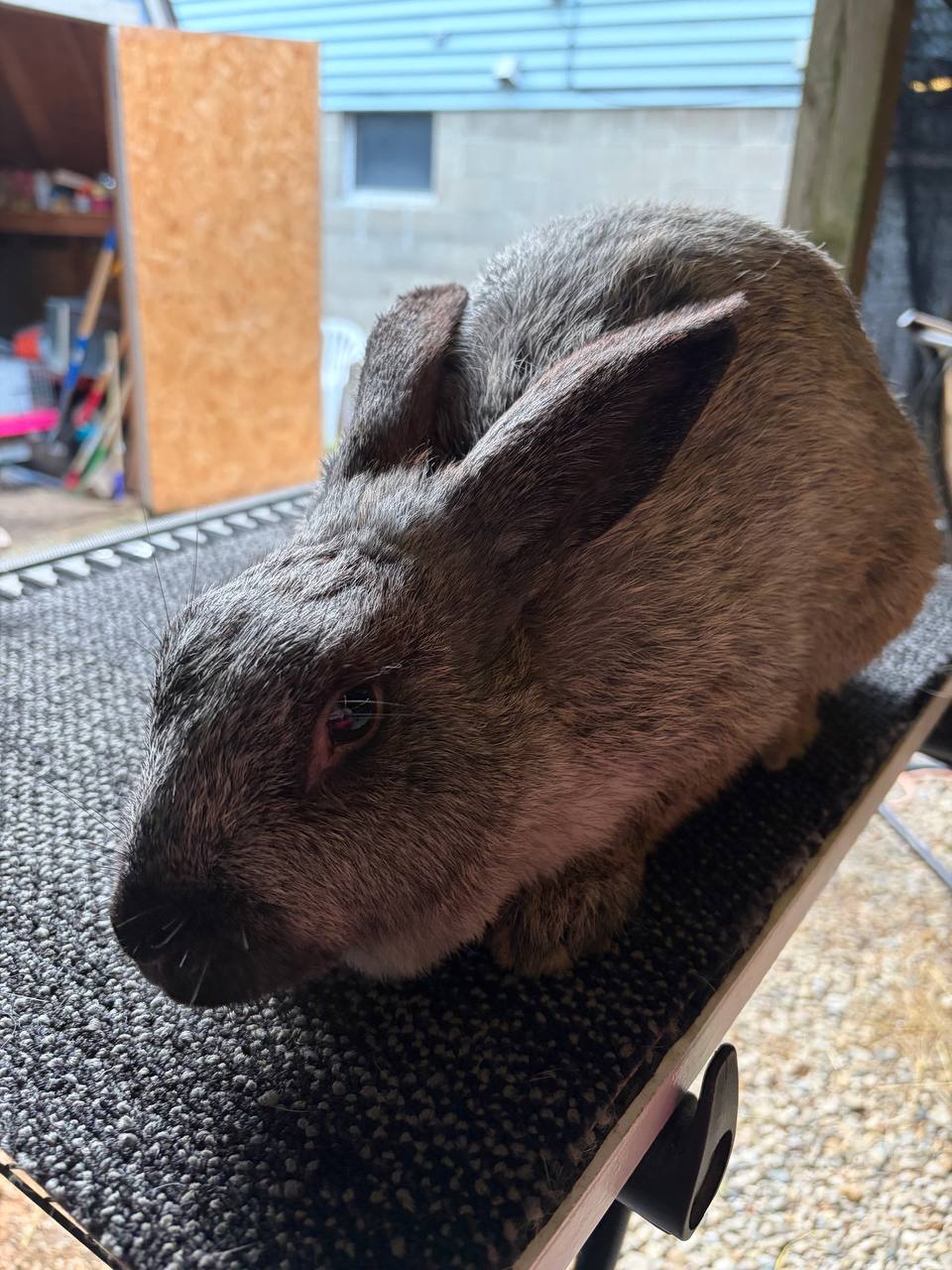
I recently purchased a Creme d’Argent buck who is not pedigreed (his “Meet My Rabbits” page will be coming soon). I wanted to have a backup buck, just in case anything happened to my sweet Adonis. I also wanted to be able to have 2 nearly unrelated Creme lines in my rabbitry, and having another buck will allow me to accomplish that. Because I am still developing my Cremes, it wasn’t too important to me that he was unpedigreed. I am going to be working with the Cremes for another 3 generations easily to get them where I want them. Having a well built rabbit with good genetics was much more important.
Conclusion
A pedigree can be very useful to have, but it’s not everything. Always focus on the quality of the rabbit in front of you first, and worry about the paperwork later.